The Mystery of the Moon-Eyed People in Appalachian Folklore
Deep within the ancient Smoky Mountains, whispers remain of a mysterious race that inhabited the land long before European settlers arrived. According to Cherokee legends, these were the moon-eyed people, a group of small, pale beings with large blue eyes who could only see by the light of the moon. Because the harsh sun blinded them, they retreated into caves during the day and emerged solely at night to hunt and build.
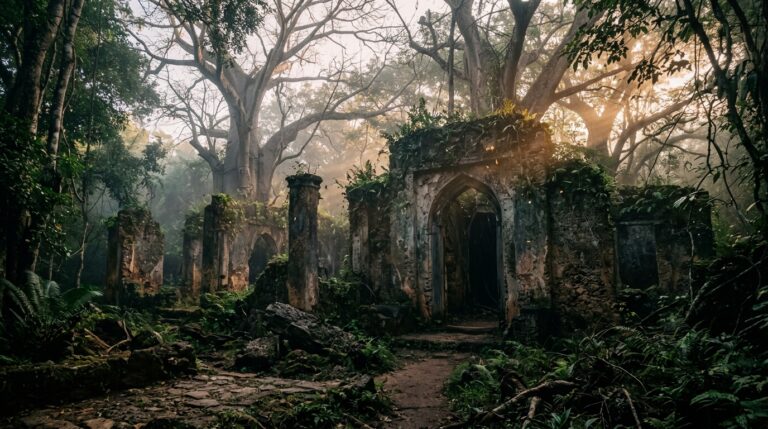
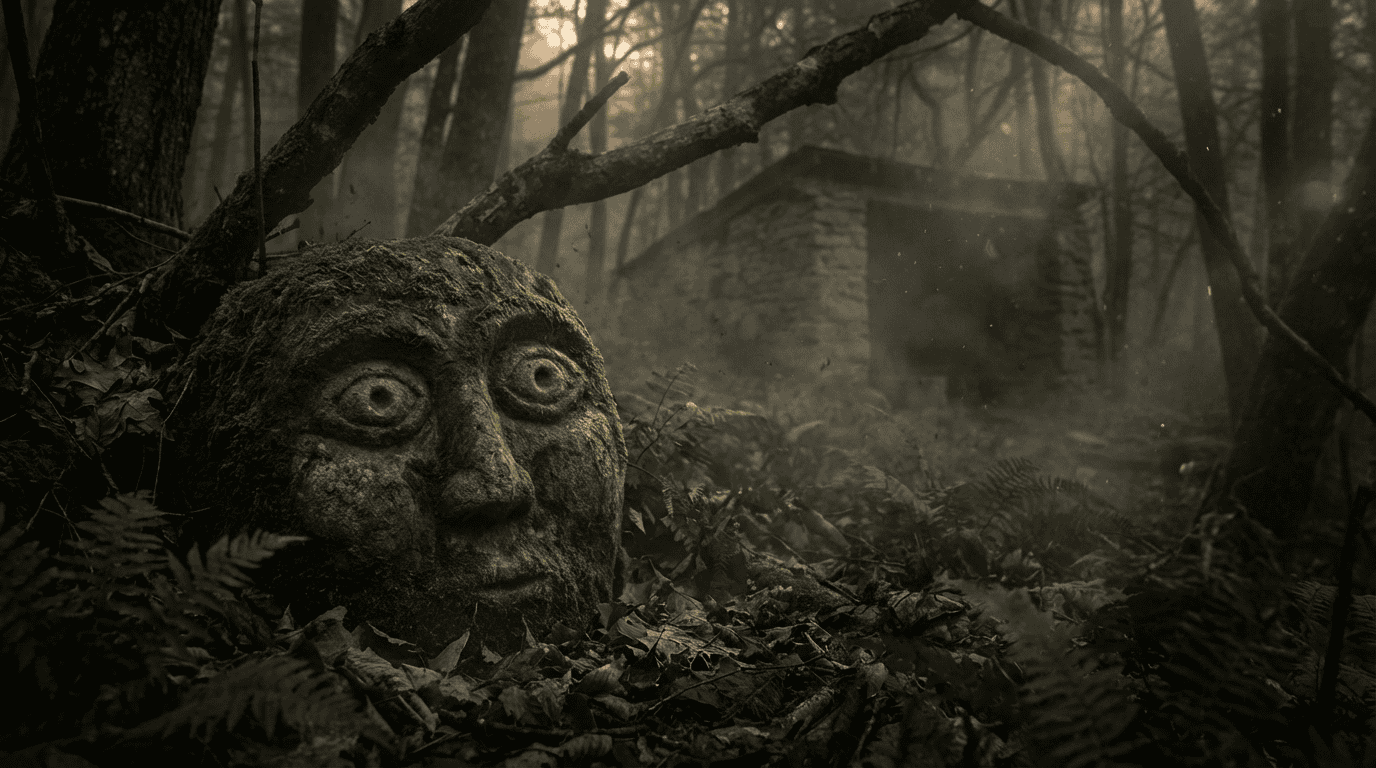
While history often dismisses folklore as simple storytelling, physical ruins in Georgia and North Carolina suggest these nocturnal inhabitants might have been more than a myth. Ancient stone structures and strange statues found in the region point to a civilization that does not fit the standard timeline of American history. Whether they were a lost tribe of early explorers or something entirely different, their sudden disappearance remains one of Appalachia’s greatest unsolved puzzles.
Key Takeaways
-
Cherokee legends describe the moon-eyed people as a pre-colonial race of small, pale, and bearded figures who were strictly nocturnal due to their extreme sensitivity to sunlight.
-
Unexplained physical ruins, such as the ancient 900-foot stone wall at Fort Mountain in Georgia, are attributed to this mysterious civilization rather than known Native American ancestors.
-
Historical theories suggest these inhabitants may have been descendants of 12th-century Welsh explorers led by Prince Madoc, potentially explaining their European features and stone-building techniques.
-
Oral traditions state that the Cherokee eventually expelled the moon-eyed people from the region during a territorial war, causing them to vanish westward and leaving only folklore behind.
The Pale Nocturnal Inhabitants of Appalachia
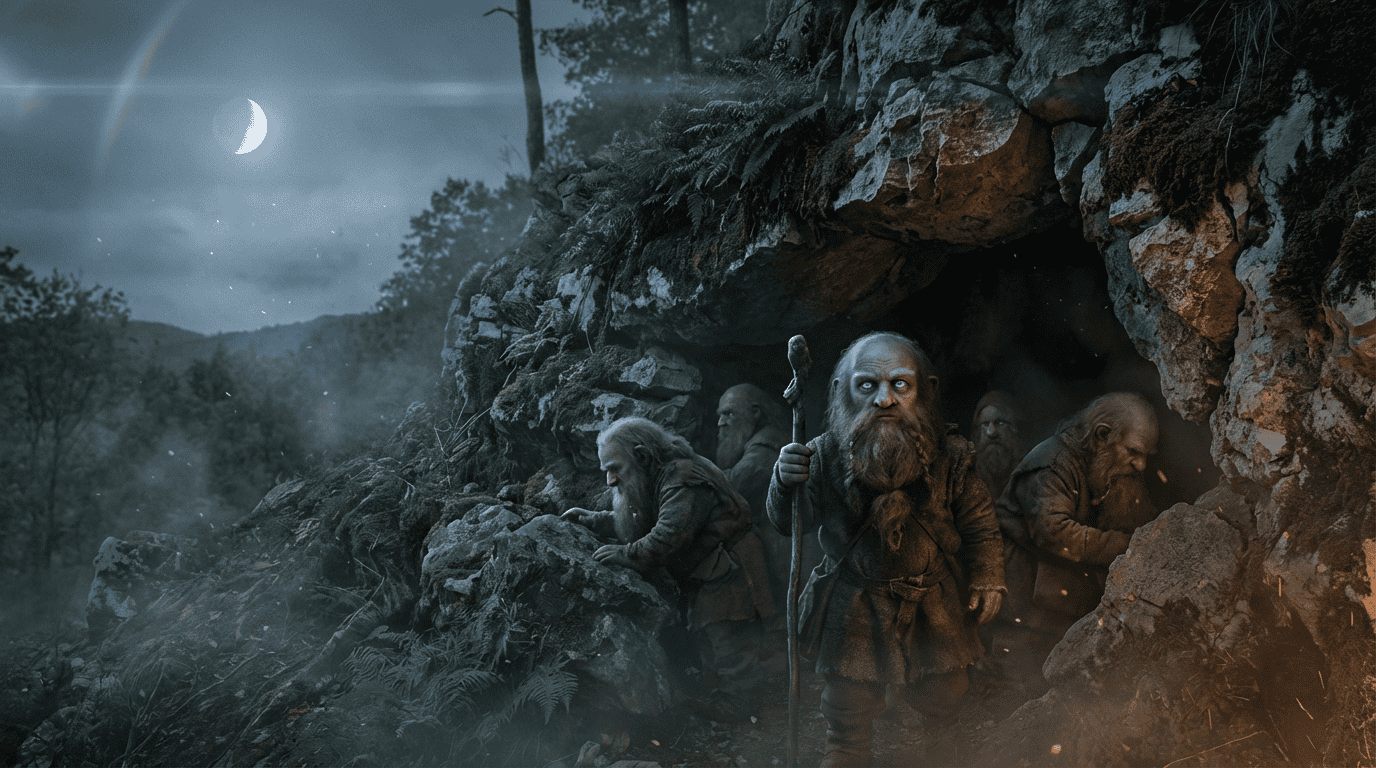
Ancient stories of the Southern Appalachians describe a mysterious group of people said to have lived long before modern settlers arrived. Folklore depicts these individuals as distinctively small in stature with remarkably pale skin and full beards. What set them apart most was their large, blue eyes that were extremely sensitive to the harsh light of the sun. Because daylight was blinding to them, they were forced to hide in caves and shadows while the sun was high. They could only emerge comfortably under the soft glow of the moon, earning them the lasting name of the “moon-eyed people.”
The Cherokee people hold oral traditions that speak of encounters with this separate race upon their arrival in the region. According to these legends, the moon-eyed people were eventually expelled or vanished, leaving behind only crumbling stone structures and strange tales. Early historical accounts from the late 18th century, such as those by Benjamin Smith Barton, documented these stories with a sense of genuine curiosity. These reports suggest that the moon-eyed people were not merely ghosts or spirits but a physical population that once called the mountains home. This blend of Native American history and colonial documentation adds weight to the enduring mystery.
Cherokee Legends and Early Settler Accounts
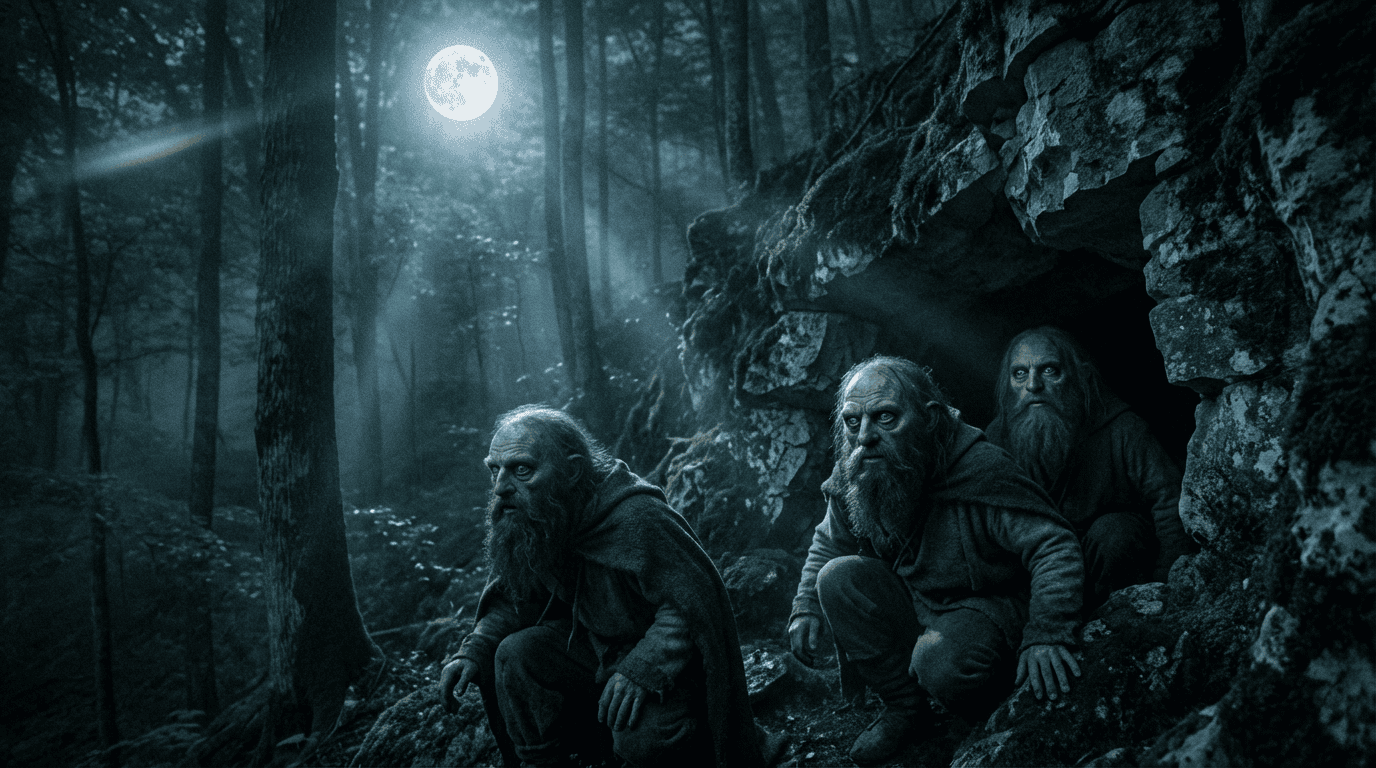
Stories passed down through generations of Cherokee families tell of a mysterious race that inhabited the Southern Appalachian mountains long before European settlers arrived. These individuals were described as short, pale-skinned, and bearded, with large blue eyes that were incredibly sensitive to the sun. Because the bright daylight blinded them, they were forced to hide in caves and shadows during the day, emerging only under the cover of night to hunt and fish. Cherokee oral history suggests a long period of territorial conflict eventually erupted between the two groups over land and resources. According to the legend, the Cherokee warriors waited until the full moon to launch a surprise attack, taking advantage of the enemy’s poor vision to drive the moon-eyed people out of the region forever.
These intriguing tales moved from campfire stories to written pages during the late 18th century as pioneers began exploring the frontier. Benjamin Smith Barton, a noted botanist and physician, documented these accounts in his 1797 book regarding the origins of Native American tribes. He recorded conversations with Cherokee elders who insisted that the ancient stone fortifications found throughout the area were built by these white-skinned nocturnal people. Barton noted that the Cherokee claimed these unique inhabitants were eventually pushed westward after losing the war for their homeland. This written record provides a fascinating bridge between myth and history, suggesting that a distinct group of people may have actually existed alongside the Cherokee ancestors.
The Ancient Stone Walls of Fort Mountain
Located in the Chattahoochee National Forest, a mysterious rock wall winds along the summit of Fort Mountain. This ancient structure stretches nearly nine hundred feet and has puzzled visitors for generations. According to Cherokee tradition, these stones were not gathered by their ancestors but by a peculiar race known as the Moon-Eyed People. Legends describe these inhabitants as short, pale figures with beards and large blue eyes who struggled to see in the sunlight. Because their sensitive vision forced them to hide during the day, they supposedly constructed this fortification to defend themselves under the cover of darkness.
Archeologists and historians have spent decades trying to decipher the true purpose of these crumbling ramparts. While some experts believe the wall served as a ceremonial center for early Native American groups, local folklore offers a different perspective. Early writings from naturalist Benjamin Smith Barton document claims that a distinct “white” race built the barrier before eventually being driven out of the region. The strange arrangement of the stones and the lack of standard artifacts leave plenty of room for wondering who really moved them. Whether the site was a defensive fort or a spiritual ground, the possibility of a lost nocturnal civilization keeps the mystery alive today.
The Welsh Prince Madoc Connection
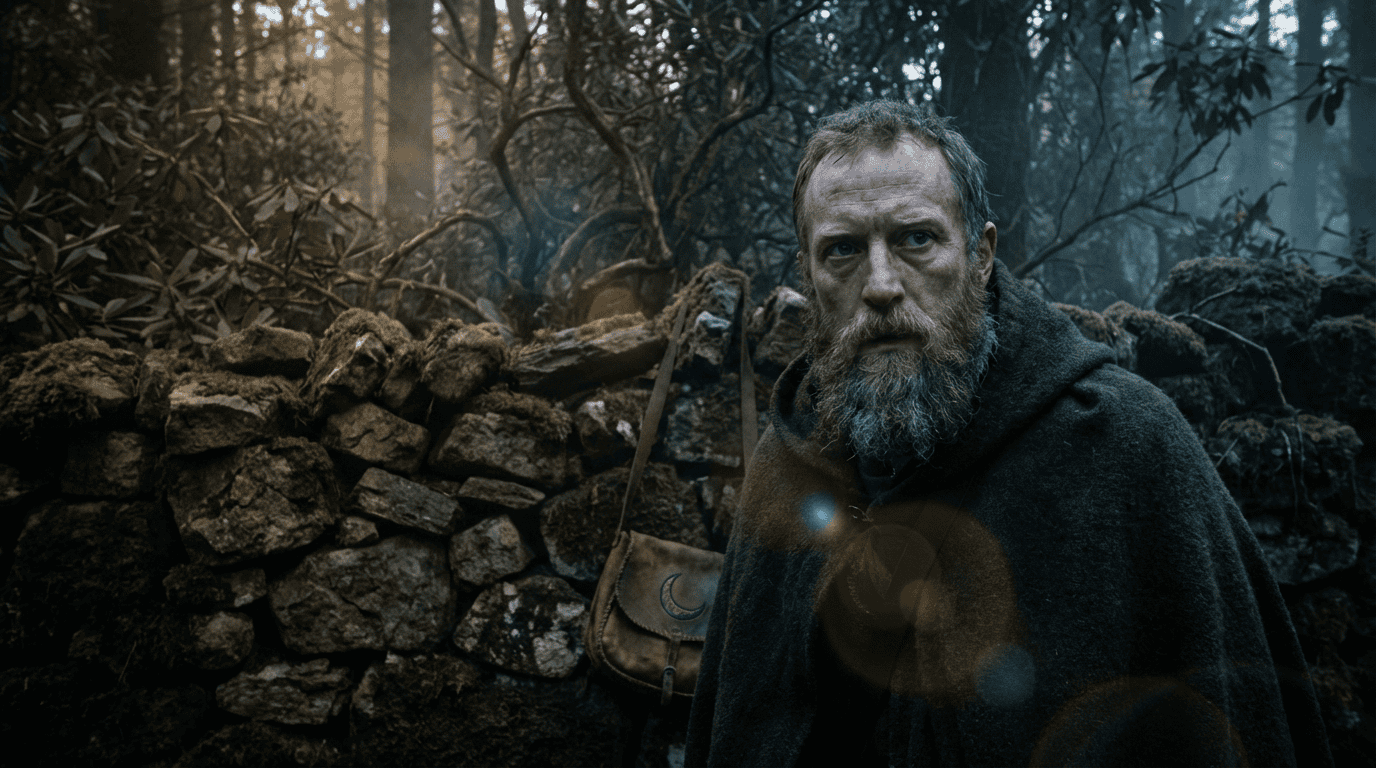
One of the most fascinating explanations for these mysterious figures involves a lost prince from Wales named Madoc ab Owain Gwynedd. According to historical lore, Madoc sailed away from his homeland in 1170 to escape a bloody war of succession and reportedly landed on the shores of Mobile Bay in modern-day Alabama. Supporters of this theory believe his group eventually migrated north into the Appalachian Mountains where they built stone fortifications like the ones found at Fort Mountain in Georgia. Over time, these Welsh settlers may have intermarried with local tribes or remained isolated, eventually evolving into the pale and bearded group described in Cherokee oral traditions. This connection offers a compelling answer to why early settlers reported seeing Native Americans with blue eyes and European features long before colonial expansion.
The idea gained significant traction during the 18th century when Tennessee Governor John Sevier recorded a conversation with a prominent Cherokee leader named Chief Oconostota. The Chief told Sevier that the ancient fortifications in the area were built by white people who had been driven out by the Cherokee ancestors long ago. Sevier later wrote that these people were undoubtedly Welsh, a sentiment echoed by other explorers who claimed to find tribes speaking a language remarkably similar to Welsh. While many modern historians dismiss these claims as wishful thinking, the specific details provided by early frontier figures keep the possibility of a lost nocturnal civilization alive. It suggests that the Moon-eyed people might not be mythical spirits but rather a forgotten chapter of pre-Columbian history.
Despite the allure of this trans-Atlantic voyage story, hard archaeological evidence connecting 12th-century Welshmen to the southern Appalachians remains elusive. Critics point out that the legendary sensitivity to light described in folklore does not align perfectly with Welsh genetics, which usually do not include such extreme conditions. However, the persistence of “Welsh Indian” stories across different tribes and the unexplained stone structures continue to puzzle researchers today. Whether they were lost Europeans or a unique indigenous group that vanished, the link to Prince Madoc adds a layer of romantic tragedy to their tale. It forces us to wonder just how many visitors reached these shores before history books started keeping track.
The Enduring Mystery of the Moon-Eyed People
The legend of the Moon-Eyed People remains one of the most fascinating puzzles in Appalachian history. These pale, nocturnal figures described by Cherokee tradition offer a glimpse into a time before recorded history. Whether they were a lost group of early travelers or a distinct ancient culture, their story has survived for centuries. Physical traces like the stone walls at Fort Mountain suggest that someone built complex structures in the region long ago. While skeptics might dismiss them as pure folklore, the specific details about their sensitivity to light add a compelling layer of realism to the tales.
Historians and archaeologists continue to search for concrete proof that explains these mysterious blue-eyed inhabitants. The lack of written records makes it difficult to separate actual events from the stories passed down through generations. However, the consistency of these accounts across different sources keeps the possibility of their existence alive. Perhaps the truth lies somewhere in the middle, hidden deep within the misty valleys of the Great Smoky Mountains. Do you believe the Moon-Eyed People were real historical figures or just mythical characters used to explain the unknown?
Frequently Asked Questions
1. Who were the moon-eyed people?
According to Cherokee legends, they were a mysterious race of small, pale beings who inhabited the Southern Appalachians long ago. Their large blue eyes were incredibly sensitive to the sun, forcing them to live a nocturnal life. They emerged from caves only at night to hunt, build, and live under the moonlight.
2. Why are they called “moon-eyed”?
The name refers to their unique vision and nocturnal lifestyle. Their eyes were so sensitive to sunlight that they could only see clearly under the soft glow of the moon. This forced them to retreat into caves during the day and emerge only when night fell.
3. Is there physical proof that they existed?
Strange stone structures and ruins found in Georgia and North Carolina hint at their existence. Fort Mountain contains ancient walls that do not match the building styles of known Native American tribes. These unexplained artifacts suggest a lost civilization once called these mountains home.
4. What did the moon-eyed people look like?
Folklore describes them as shorter than average with starkly pale skin and full beards. Their most defining feature was their large, blue eyes that could not tolerate the sun. These physical traits made them look vastly different from the Native American groups in the area.
5. What happened to the moon-eyed people?
Oral traditions state that the Cherokee expelled them from the region, or that they simply vanished over time. Some theories suggest they moved west or were absorbed into other populations, but no concrete record exists. Their sudden disappearance remains a captivating mystery of the Smoky Mountains.
6. How do Cherokee legends describe them?
The Cherokee speak of them as a separate race that was already present when the tribe arrived in the Southern Appalachians. Legends depict them as cave-dwellers who were eventually driven out after conflicts or territorial disputes. These stories have preserved the memory of these pale inhabitants for centuries.
7. Where did they live?
They are said to have dwelt deep within the ancient Smoky Mountains of the Southern Appalachians. To escape the blinding sun, they made their homes in caves and dark recesses of the land. Ruins in places like Georgia suggest they also built stone fortifications on mountain peaks.
{
“@context”: “https://schema.org”,
“@type”: “Article”,
“headline”: “The Mystery of the Moon-Eyed People in Appalachian Folklore”,
“description”: “Uncover the mystery of the Moon-Eyed People in Appalachian folklore. Explore the Cherokee legend of this pale, nocturnal race deep in the Smoky Mountains.”,
“url”: “https://mysteriousrealms.com/the-mystery-of-the-moon-eyed-people-in-appalachian-folklore/”,
“mainEntityOfPage”: {
“@type”: “WebPage”,
“@id”: “https://mysteriousrealms.com/the-mystery-of-the-moon-eyed-people-in-appalachian-folklore/”
},
“image”: [
“https://mysteriousrealms.com/wp-content/uploads/2025/12/the-mystery-of-the-moon-eyed-people-in-appalachian-1765403978934.png”
],
“datePublished”: “2025-12-10T20:56:59.941161+00:00”,
“dateModified”: “2025-12-10T23:40:49.601625+00:00”
}