Legends of the Southwest: What Are Skinwalkers?
Imagine driving down a lonely stretch of highway in the American Southwest as the sun dips below the horizon. The vast desert landscape of Arizona and New Mexico holds ancient secrets, but few are as terrifying as the legend of the skinwalker. Known in Navajo culture as yee naaldlooshii, this entity is not just a cryptid or a monster but a powerful type of malevolent witch. The name roughly translates to “by means of it, it goes on all fours,” which describes their terrifying ability to transform into animals. While many folktales are meant to teach lessons, the skinwalker represents a very real fear of pure evil within traditional Diné beliefs.
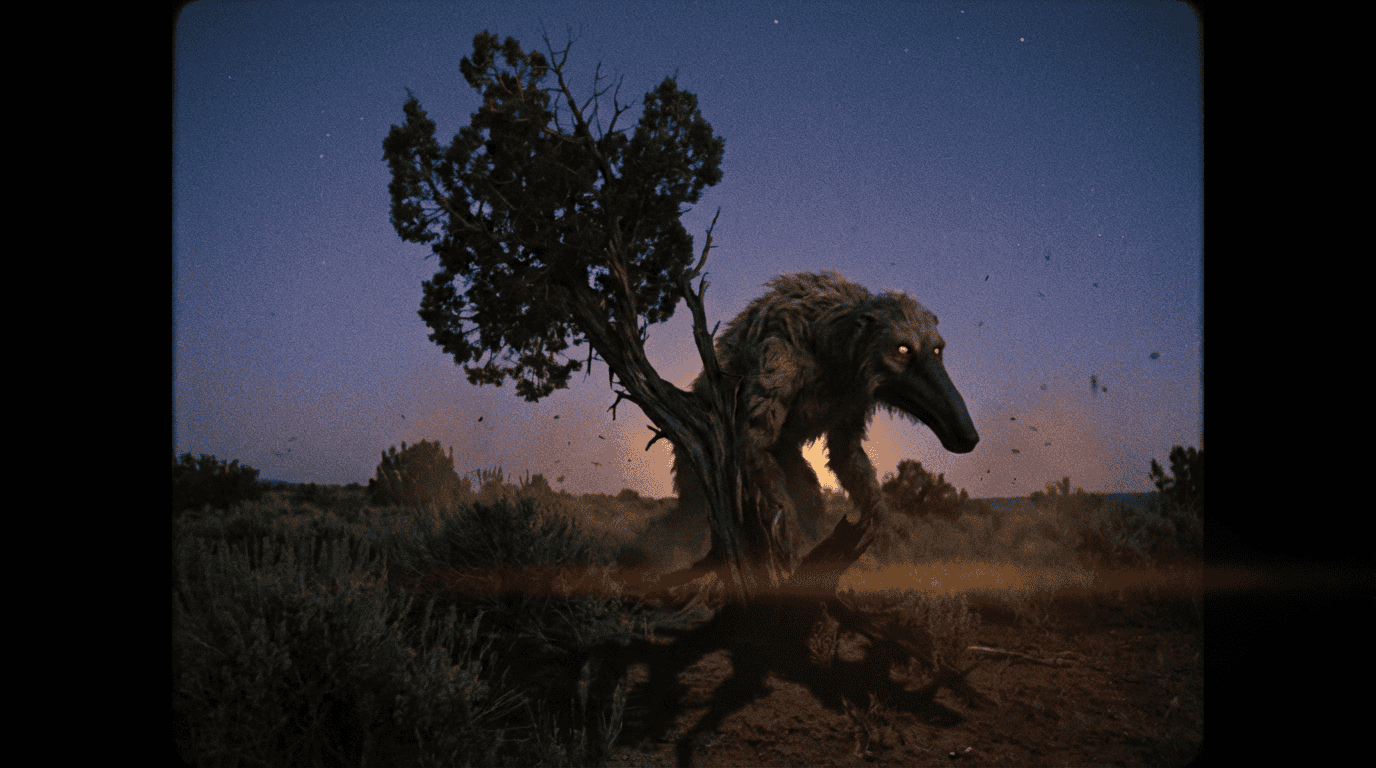
These shapeshifters are believed to be medicine men or women who have corrupted their sacred gifts to inflict pain and suffering. To gain their dark powers, a witch must commit a heinous act that breaks the ultimate cultural taboos, such as killing a close family member. Once they cross this line, they gain the supernatural ability to disguise themselves as predators like coyotes, wolves, bears, or even birds. Witnesses often report seeing creatures that move with impossible speed or possess eyes that glow with a distinctly human intelligence. Beyond physical transformation, they are said to mimic human voices to lure unsuspecting victims out into the darkness.
Key Takeaways
- Skinwalkers, known as yee naaldlooshii, are not merely cryptids but malevolent Navajo witches who use corrupt magic to transform into animals like wolves or coyotes.
- To acquire these dark powers, an initiate must commit an unforgivable act that breaks ultimate cultural taboos, such as killing a close family member.
- These entities possess terrifying supernatural abilities, including the stamina to run at highway speeds and the power to mimic human voices to lure victims.
- The legend represents the antithesis of Navajo values, serving as a dark warning about the consequences of abusing power and abandoning cultural harmony.
The Legend of Yee Naaldlooshii
At the heart of Navajo folklore lies a terrifying entity known traditionally as the yee naaldlooshii. This complex phrase roughly translates to “by means of it, he goes on all fours.” It describes a type of malevolent witch who has gained the supernatural ability to transform into an animal. While many people think of them simply as shapeshifters, the legend suggests they are actually corrupt medicine men or women. These individuals have chosen to use their powerful gifts for evil rather than for the good of their community.
To truly understand the skinwalker, one must look at what the Navajo people value most. Traditional culture prioritizes harmony, balance, and healing within the tribe. A skinwalker represents the complete opposite of these cherished ideals. Instead of helping others, these witches are said to commit heinous acts against their own families to acquire dark magic. They twist the sacred traditions of the medicine man to cause pain and suffering instead of bringing relief.
When these witches transform, they typically take the form of predators like coyotes, wolves, bears, or owls. Legends say they wear the skins of these creatures to travel quickly and stealthily through the night. They are not just silent hunters. Stories claim they can mimic the voices of loved ones to lure victims outside. This ability to deceive makes them one of the most feared figures in the American Southwest. It serves as a grim warning about the dangers of abusing power and losing one’s humanity.
Shapeshifting Powers and Animal Forms
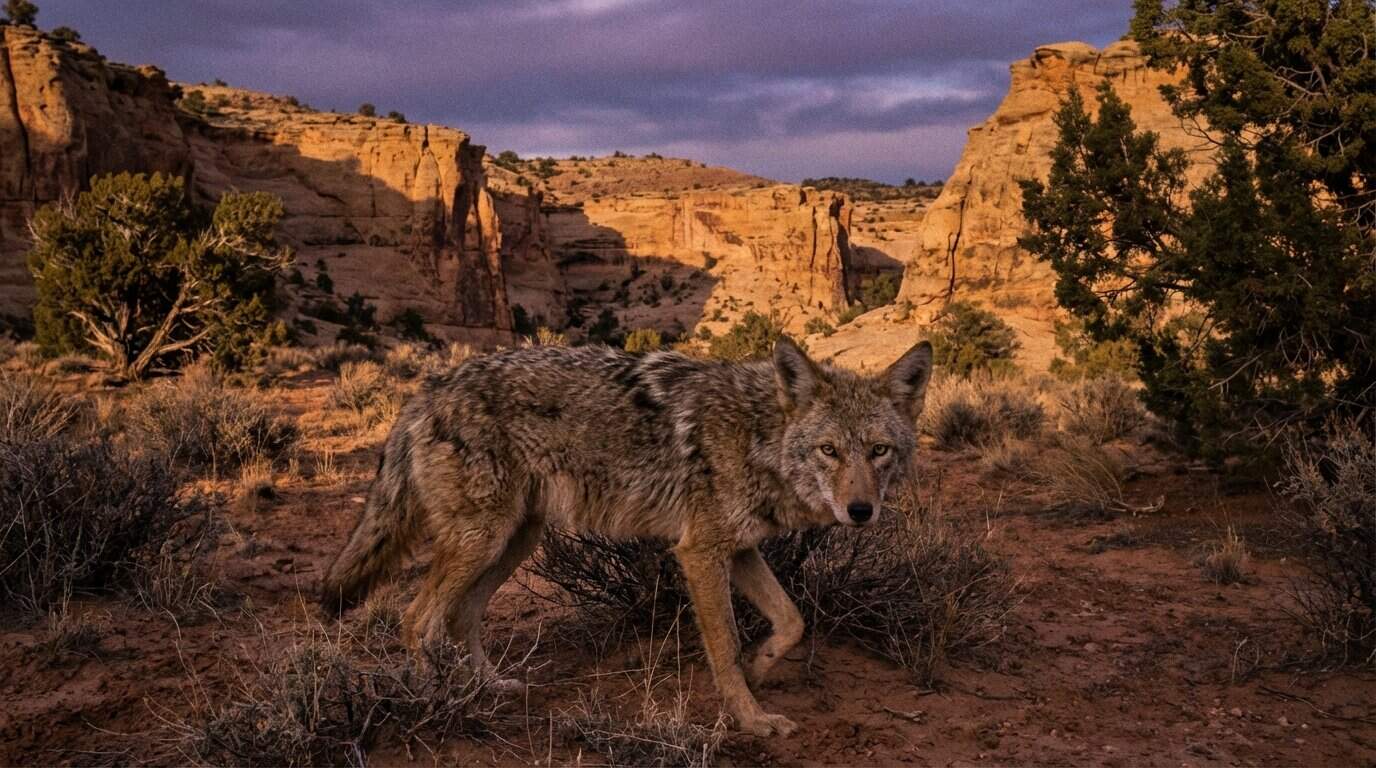
The most defining characteristic of these beings is their ability to physically transform into various animals. According to Navajo legends, a skinwalker initiates this change by wearing the hide or pelt of the creature they wish to become. This connects directly to their Navajo name, yee naaldlooshii, which translates to the phrase “by means of it, it goes on all fours.” While they can technically assume the form of any animal, they usually choose powerful predators like wolves, bears, or coyotes to inflict maximum fear. Folklore suggests that simply locking eyes with one of these transformed witches allows them to absorb themselves into a victim’s body.
Beyond just looking like a beast, the skinwalker possesses physical abilities that defy natural laws. Many eyewitness accounts describe these creatures running alongside moving vehicles at highway speeds without showing any signs of fatigue. They are said to possess impossible stamina and agility that allow them to traverse rough desert terrain faster than any human or normal animal could manage. Reports often mention the creature keeping pace with a car just to tap on the window or leer at the terrified passengers inside. This supernatural speed makes it nearly impossible to escape them once they have decided to pursue a target.
Perhaps the most unsettling power attributed to the skinwalker is the ability to mimic human sounds to lure victims into a trap. Stories passed down through generations warn that these entities can perfectly imitate the voice of a crying baby or a screaming woman. They use these familiar sounds to draw concerned people out of the safety of their homes and into the darkness. Once the victim is isolated, the skinwalker drops the disguise to reveal its true and terrifying nature. This psychological warfare suggests that these witches do not just hunt for food but actively seek to cause fear and chaos.
Dark Rituals and the Price of Power
According to Navajo legends, the path to becoming a skinwalker begins with a choice that shatters the soul. To gain these dark powers, an initiate must commit the ultimate act of evil by taking the life of a close family member or loved one. This terrible sacrifice serves as a permanent severance from the community and the natural order of the world. Anthropologist Clyde Kluckhohn noted that this requirement ensures the witch has completely abandoned all human empathy and cultural values. By destroying their own bloodline, they trade their humanity for the supernatural ability to shapeshift.
Once the ritual is complete, the individual becomes known as yee naaldlooshii. While traditional Navajo medicine people use their spiritual gifts to heal and restore harmony, the skinwalker uses their new abilities solely to inflict pain and spread chaos. They are said to wear the hides of animals like coyotes or wolves to physically transform and travel at impossible speeds. This corruption of nature highlights the steep price paid for such power. The skinwalker lives a life of secrecy and malice, forever bound to the darkness they invited in.
From Folklore to Skinwalker Ranch
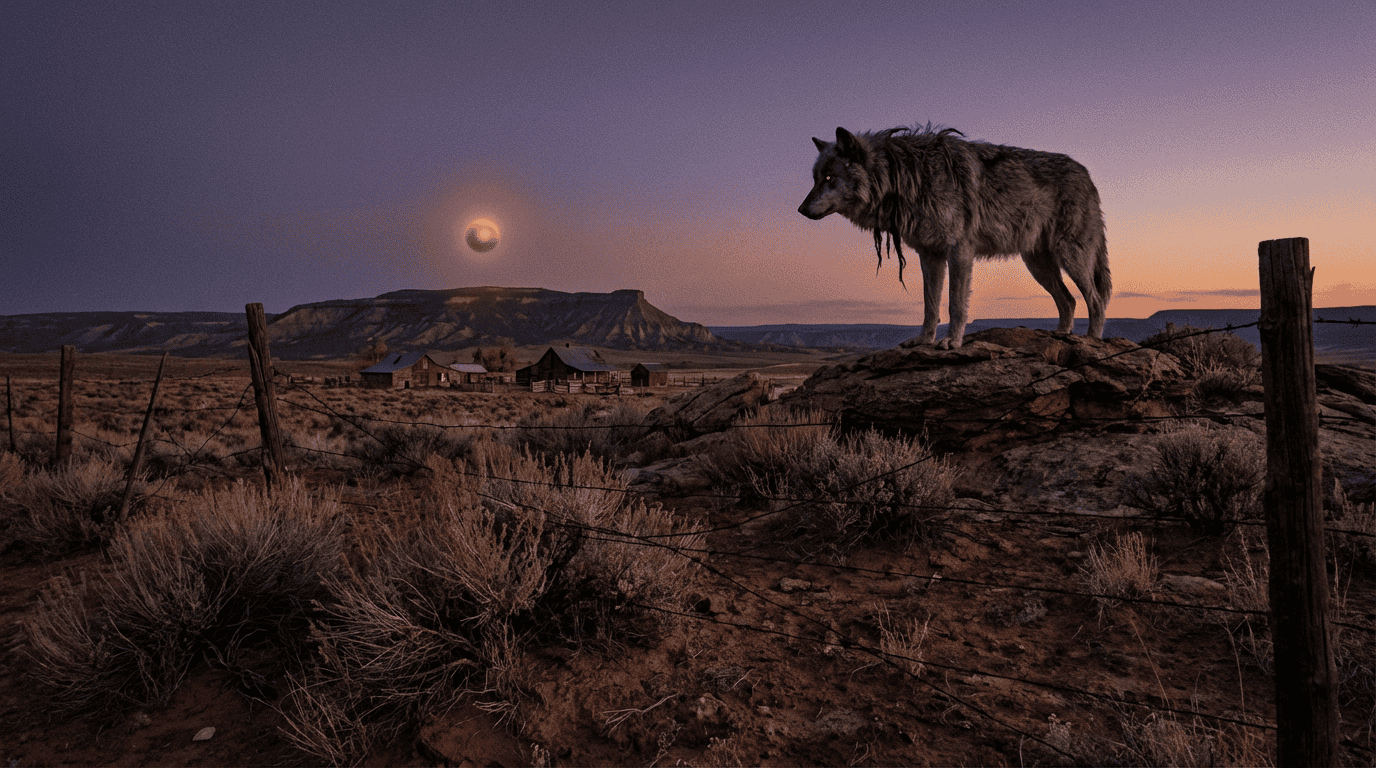
While the legend began in tribal oral history, it found a modern home in the Uinta Basin of Utah. This remote location is famously known as Skinwalker Ranch and has become a hotspot for high strangeness. Reports from the area describe terrifying encounters with bulletproof wolf-like creatures that seem to possess intelligence far beyond a normal animal. Investigative journalist George Knapp helped bring these stories to a global audience through his reporting on the inexplicable events plaguing the property. What was once a culturally guarded secret among the Navajo people has transformed into a central piece of modern paranormal pop culture.
Scientists and researchers have spent decades trying to document physical evidence of these shapeshifting entities at the ranch. Some experts suggest that high levels of electromagnetic fields in the area could cause vivid hallucinations or feelings of dread in visitors. Psychologists also point to the power of suggestion, noting that fear can easily turn a coyote in the shadows into a monster. However, physical traces like unexplainable footprints and cattle mutilations challenge the idea that it is all just in the mind. The persistence of these sightings forces researchers to consider if there is a genuine, unclassified phenomenon at work in the basin.
The legend of the skinwalker remains one of the most chilling and enduring mysteries in North American folklore. Regardless of whether these beings are flesh and blood or spiritual manifestations, the Navajo warnings about speaking their names should be treated with respect. These stories serve as a dark reminder of the boundaries between the natural world and the supernatural unknown. Keeping an open mind allows us to explore these ancient legends without dismissing the experiences of those who live on the land. Have you ever experienced something in the wilderness that you could not explain with logic or science?
Uncovering the Dark Origins of the Skinwalker
Skinwalkers represent one of the most terrifying yet fascinating figures in North American folklore. Originating from the rich oral traditions of the Navajo people, these entities are known as yee naaldlooshii, or those who go on all fours. They are not merely monsters but are believed to be corrupt medicine men or witches who have chosen a dark path to gain supernatural power. By committing unspeakable acts, they trade their humanity for the ability to shapeshift into animals like wolves, coyotes, or bears. This transformation allows them to move with unnatural speed and stealth while spreading fear throughout their communities.
Beyond the physical transformation, the lore suggests these beings possess unsettling psychological powers. Stories often describe them mimicking the voices of loved ones or luring victims into the dark with deceptive sounds. While outsiders might view these accounts as simple scary stories, traditional Navajo culture treats the subject with extreme caution and silence. Discussing them openly is often forbidden, as speaking their name is thought to draw their malevolent attention. This deep-seated cultural fear lends a heavy weight to the legend that is difficult to dismiss entirely.
Whether one views the skinwalker as a misunderstood cryptid or a cautionary tale about morality, the legend persists for a reason. These stories serve as a dark reminder of what happens when power is used for evil rather than the greater good. The enduring nature of these encounters suggests that there are still corners of our world that science cannot fully explain. It leaves us wondering what might actually be lurking in the shadows of the American Southwest. Have you ever experienced something unexplainable while traveling through the desert, or do you believe these ancient legends hold a grain of truth?
Frequently Asked Questions
1. What does the word skinwalker mean?
The term comes from the Navajo phrase yee naaldlooshii, which roughly translates to “by means of it, it goes on all fours.” This description refers to a malevolent witch who has gained the supernatural ability to transform into an animal. It highlights the terrifying reality that these entities are humans who have chosen a dark path.
2. How does someone become a skinwalker?
Becoming a skinwalker requires a medicine man or woman to corrupt their sacred gifts and commit a truly heinous act to gain dark powers. Legends say they must break ultimate cultural taboos, such as taking the life of a close family member. This irreversible choice grants them supernatural abilities but strips away their humanity.
3. What animals do skinwalkers turn into?
These shapeshifters often disguise themselves as dangerous predators like coyotes, wolves, bears, or even birds. Witnesses report that while they look like animals, they often possess eyes that glow with a distinctly human intelligence. They move with impossible speed that defies the natural capabilities of the creatures they mimic.
4. What powers do skinwalkers have besides shapeshifting?
Beyond changing their physical form, skinwalkers are known to mimic human voices to lure unsuspecting victims out into the darkness. They possess supernatural speed and durability that allows them to keep pace with vehicles on lonely highways. Their power is rooted in pure evil and is used specifically to inflict pain and suffering on others.
5. Where are skinwalkers usually seen?
Sightings are most common in the vast desert landscapes of the American Southwest, particularly in Arizona and New Mexico. The lonely stretches of highway and remote areas of Navajo territory are frequent backdrops for these terrifying encounters. The isolation of the desert provides the perfect cover for these entities to roam.
6. Is a skinwalker the same thing as a cryptid or monster?
While often grouped with cryptids, a skinwalker is strictly defined in Navajo culture as a human witch rather than a distinct animal species. They are individuals who have corrupted ancient spiritual practices to gain evil powers. This makes them far more frightening to many, as they possess human intelligence alongside their animalistic strength. Much like the terrifying legend of the Bell Witch haunting, these stories highlight the intersection of human malice and supernatural forces.
7. How can you tell if an animal is actually a skinwalker?
One of the most chilling tell-tale signs is the eyes, which are said to glow with an unnatural light or retain a human quality. Unlike normal animals, a skinwalker in animal form might move stiffly or run alongside a car at highway speeds. If a creature stares back with a look of deep, malevolent understanding, it may not be a simple animal at all.
{
“@context”: “https://schema.org”,
“@type”: “Article”,
“headline”: “Legends of the Southwest: What Are Skinwalkers?”,
“description”: “Uncover the terrifying truth of the Skinwalker. Explore the Navajo legend of the yee naaldlooshii, a malevolent shapeshifting witch haunting the Southwest.”,
“url”: “https://mysteriousrealms.com/legends-of-the-southwest-what-are-skinwalkers/”,
“mainEntityOfPage”: {
“@type”: “WebPage”,
“@id”: “https://mysteriousrealms.com/legends-of-the-southwest-what-are-skinwalkers/”
},
“image”: [
“https://mysteriousrealms.com/wp-content/uploads/2025/12/featured-1764783530119.png”
],
“datePublished”: “2025-12-03T17:39:05.468539+00:00”,
“dateModified”: “2025-12-03T17:39:06.224371+00:00”
}