The Ghost Ship Found: Unraveling the Mary Celeste Mystery
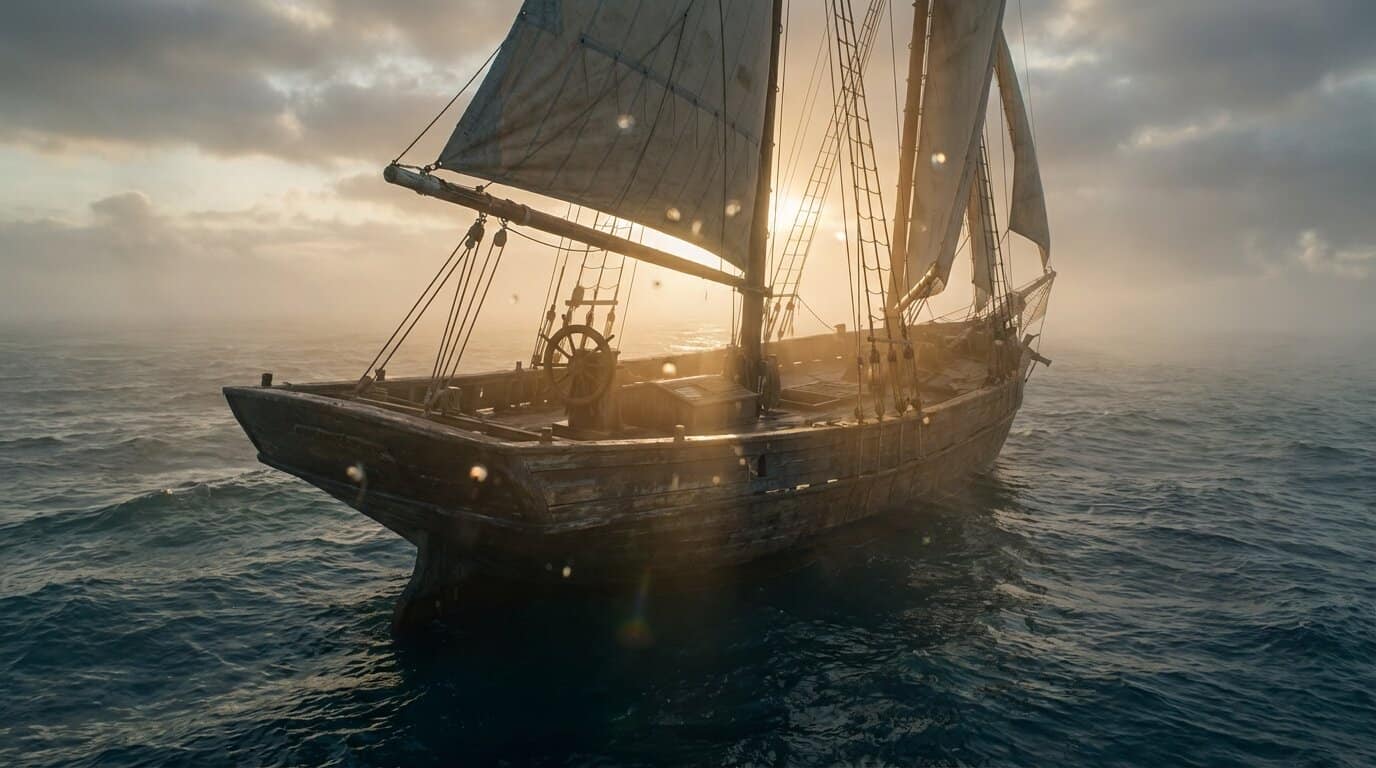
On a crisp afternoon in December 1872, the crew of the British brig Dei Gratia spotted something strange on the horizon. Captain David Morehouse peered through his spyglass at a ship drifting aimlessly in the rough Atlantic waters about 400 miles from the Azores. He recognized the vessel as the Mary Celeste, an American ship that had left New York just days before his own departure. Something was clearly wrong. The ship moved erratically, and the sails were torn or set in a disorganized fashion. Concerned for the safety of his friends aboard, Morehouse ordered his men to pull closer to investigate the silent vessel.
A boarding party climbed onto the Mary Celeste expecting to find a crew in distress or perhaps a sick captain. Instead, they were met with an unsettling silence that hung heavy over the damp deck. The ship appeared to be in seaworthy condition, yet not a single soul could be found anywhere on board. Below deck, the scene was even more baffling because personal belongings and heavy cargo remained perfectly untouched. It looked as if Captain Benjamin Briggs and his family had simply vanished into thin air just moments before the rescuers arrived.
The only missing piece of equipment seemed to be the ship’s single lifeboat. This suggested a hurried and desperate evacuation. Investigators found the ship’s logbook open on a desk, with the final entry dated ten days prior to the discovery. This note placed the vessel hundreds of miles away from where the Dei Gratia eventually found it drifting. Despite ample food and water supplies, the ten people aboard had abandoned a safe ship for the open ocean. This baffling event sparked a legend that has kept historians and mystery lovers guessing for over a century.
Key Takeaways
- The Mary Celeste was discovered in 1872 as a seaworthy vessel with intact cargo and supplies, yet the entire crew had inexplicably vanished.
- The absence of the ship’s single lifeboat and navigational instruments indicates a hurried, voluntary evacuation rather than a violent struggle or mutiny.
- Leading theories suggest that fumes from leaking industrial alcohol barrels terrified the crew into abandoning the ship for fear of an imminent explosion.
- According to the post, a 2025 discovery of the lifeboat’ wreckage confirmed the crew attempted to stay near the ship but were separated by rough seas.
The Dei Gratia Finds a Ghost Ship
On December 5, 1872, the crew of the British brig Dei Gratia spotted a ship drifting aimlessly in the rough Atlantic waters. Captain David Morehouse recognized the vessel as the Mary Celeste but noticed something was terribly wrong with her erratic movement. When his men boarded the ship to investigate, they were met with an unsettling silence instead of a greeting from the crew. The sails were in poor condition and partially set, yet no one was at the wheel to guide the brigantine through the waves. It quickly became clear that this was a ghost ship floating alone in the vast ocean.
The search party found the ship in a confusing state of disarray that defied any immediate logical explanation. Although three feet of water sloshed in the hold, the vessel remained perfectly seaworthy and safe for travel. The cargo consisted of 1,701 barrels of industrial alcohol, and almost all of the volatile liquid was completely untouched and secure. Down in the living quarters, personal items lay undisturbed. This suggested the occupants had left in a sudden panic rather than a planned departure. It looked as though Captain Benjamin Briggs and his family had just stepped out for a moment, never expecting to leave for good.
Despite the undisturbed cargo and personal effects, several crucial pieces of equipment were noticeably absent from the ship. The solitary lifeboat was missing, which indicated that the crew had abandoned the sturdy vessel voluntarily for some unknown reason. Additionally, the captain’s navigational instruments and the ship’s papers were gone, though the official logbook remained behind on a desk. The final entry in that log was dated ten days prior. It placed the ship hundreds of miles away from where the Dei Gratia found it. This strange combination of missing tools and a perfectly sound ship created a puzzle that historians are still trying to solve.
Exploding Alcohol and Mutiny Theories
When the Mary Celeste was first discovered, investigators immediately suspected that something sinister had happened among the crew. Frederick Solly Flood, the Attorney General of Gibraltar, believed that the sailors had gotten drunk on the cargo and murdered Captain Briggs along with his family. However, this theory quickly fell apart because the ship was carrying industrial alcohol that was poisonous and impossible to drink. Furthermore, Captain Briggs had a solid reputation as a fair and religious leader who was well-liked by those who served under him. The complete lack of blood or signs of a struggle on the ship makes a violent uprising seem highly unlikely.
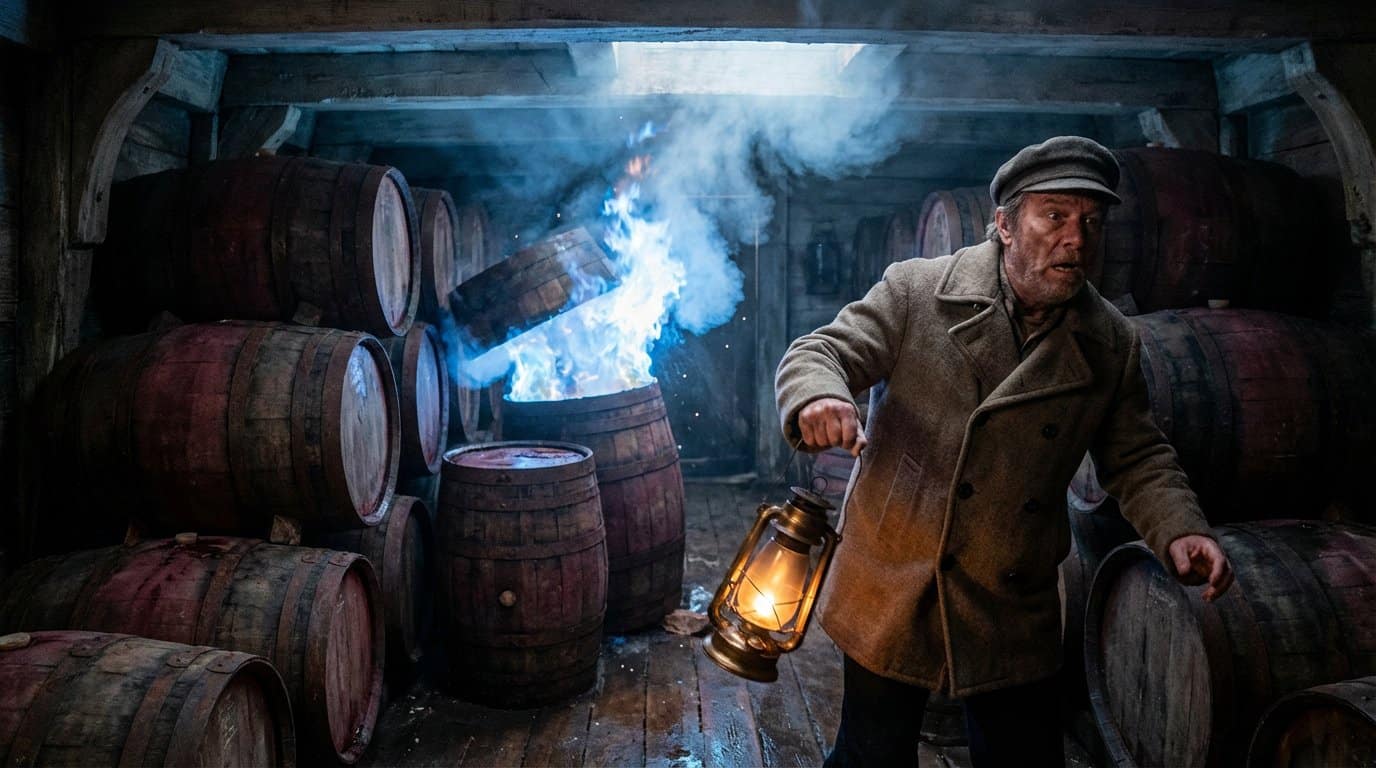
A scientific explanation suggests that the ship’s own volatile cargo may have terrified the experienced sailors into abandoning their vessel. The Mary Celeste was carrying over a thousand barrels of raw alcohol, and nine of them were found empty when the ship was finally salvaged. Historians propose that fumes from these leaking barrels could have built up in the hold during the hot voyage across the Atlantic. A small spark or a change in pressure might have caused a terrifying blast of vapor that blew off the hatch covers without actually causing a fire. Fearing that their ship was about to explode, the captain likely ordered everyone into the lifeboat to wait at a safe distance until the danger passed.
The 2025 Lifeboat Discovery Evidence
In early 2025, a deep-sea exploration team located the remains of a small wooden vessel buried in the sediment near the Azores. Analysis of the timber and brass fittings confirmed that these artifacts belonged to the long-lost lifeboat of the Mary Celeste. The debris field surrounding the boat offered a haunting snapshot of the crew’s final terrifying moments on the open ocean. Researchers discovered a shattered compass and traces of water barrels. This suggests the group tried to stay close to the main ship but were separated by rough seas. This physical evidence supports the theory that Captain Briggs ordered a panic-induced evacuation, likely fearing an explosion from the leaking alcohol cargo.
Modern technology has provided the missing puzzle piece to a riddle that has baffled maritime historians for over a century. While this discovery solves the logistical question of where the crew went, it also highlights the heartbreaking reality of their fate. The image of a family and loyal crew adrift in a tiny boat serves as a somber reminder of the ocean’s unforgiving power. We can now look past the ghost stories and wild legends to honor the real people who lost their lives in a desperate bid for survival. Science has effectively closed the book on the supernatural speculation, leaving us with a deeply human story of fear and misfortune.
The Enduring Mystery of the Mary Celeste
The story of the Mary Celeste remains one of the most haunting puzzles in maritime history. Even after more than a century, no one knows for sure why a seaworthy ship was abandoned in the middle of the ocean. Captain Benjamin Briggs, his family, and the crew vanished without leaving a single clue behind. The vessel was found with ample food, water, and cargo. This rules out many logical explanations for their departure. It stands as a silent monument to the unpredictable nature of life at sea.
Historians and scientists have proposed everything from alcohol fumes to rogue waves to explain the sudden evacuation. Some theories suggest a mutiny occurred, while others look toward darker possibilities like sea monsters or paranormal intervention. Despite modern technology and forensic analysis, the Atlantic Ocean refuses to give up its secrets regarding those ten lost souls. Every explanation seems to have a hole in it, leaving plenty of room for imagination and wonder. The lack of concrete evidence keeps the door open for even the most unusual possibilities to be true.
The Mary Celeste serves as a reminder that not every question has a clear answer. We may never find the missing lifeboat or discover what terrified a seasoned captain enough to flee a safe ship. This enduring riddle invites us to look at history with an open mind and a healthy dose of curiosity. Perhaps the truth behind the mystery lies somewhere between the cold hard facts and the legends that have grown over time. What do you think really happened on that fateful day in December 1872?
Frequently Asked Questions
1. Who discovered the Mary Celeste?
The crew of the British brig Dei Gratia spotted the vessel drifting in the Atlantic on December 5, 1872. Captain David Morehouse recognized the ship and ordered his men to investigate when he noticed it moving erratically.
2. What was missing from the Mary Celeste?
The only major piece of missing equipment was the ship’s single lifeboat. This suggests the crew evacuated in a desperate hurry, leaving behind all their personal belongings and the ship’s cargo.
3. Was the ship damaged when it was found?
The vessel was actually in seaworthy condition and had ample food and water supplies on board. Although the sails were torn or set in a disorganized fashion, the ship itself was not in danger of sinking.
4. Did the crew leave a note or explanation?
No explanation was found, but the ship’s logbook lay open on a desk with a final entry dated ten days prior. This entry placed the ship hundreds of miles away from where the rescuers eventually discovered it.
5. Was there any sign of a struggle or foul play?
The boarding party found an unsettling silence rather than a crime scene. Below deck, personal items and heavy cargo were untouched. This typically rules out piracy or a violent struggle for control of the ship.
6. How many people disappeared from the ship?
Ten people vanished into thin air, including Captain Benjamin Briggs and his family. Despite the ship being safe, every single soul aboard chose to abandon the vessel for the open ocean.
7. Why is the Mary Celeste considered a ghost ship?
It earned this title because rescuers found a perfectly sailable ship with absolutely no humans aboard. The eerie combination of untouched belongings and a missing crew has kept this legend alive for over a century. Much like the rumors surrounding the Philadelphia Experiment, the story of the Mary Celeste continues to fascinate those who seek the truth behind maritime anomalies.