The Roswell Incident Explained: From Flying Discs to Project Mogul
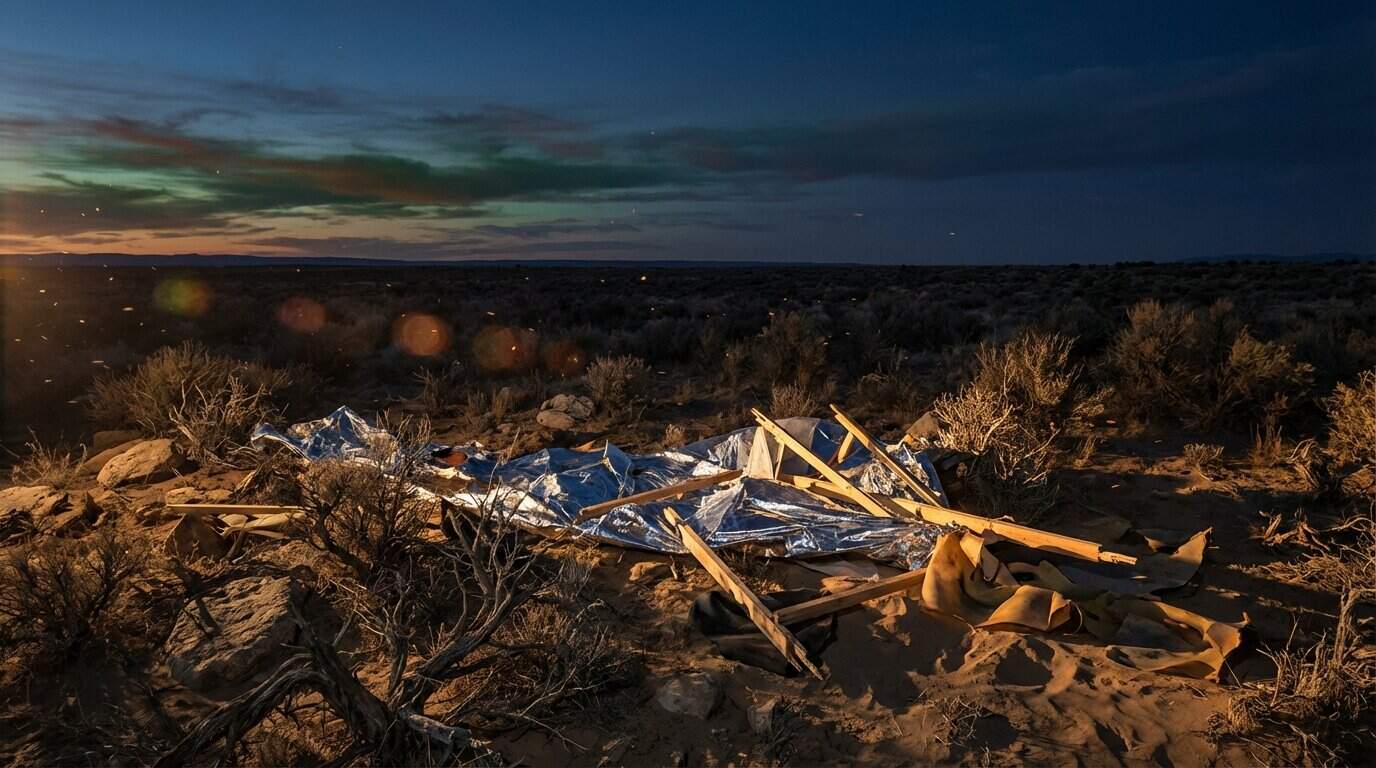
The summer of 1947 brought intense heat and dust to the New Mexico desert. In early July, a rancher named W.W. Mac Brazel found something strange while checking his sheep near the town of Corona. The ground was littered with odd debris that looked like tinfoil, rubber strips, and curious wooden beams. He had no idea that this messy discovery would spark the biggest mystery of the modern era. It felt like the beginning of a science fiction movie coming to life right there in the sand.
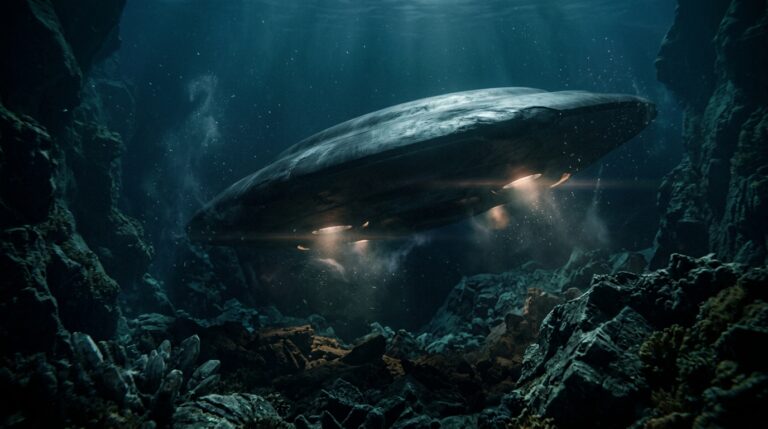
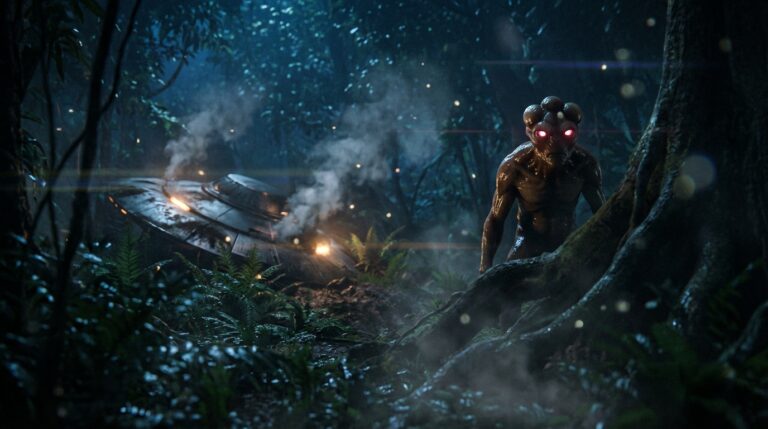
What happened next turned a local curiosity into a global sensation. On July 8, Walter Haut, the public information officer at the Roswell Army Air Field, released a shocking statement to the press. He announced that the military had actually recovered a flying disc from the crash site. This bold claim immediately grabbed the attention of newspapers and radio stations around the world. Suddenly, everyone was talking about the possibility of visitors from other planets landing in America.
Although the excitement was high, the official story changed very quickly. The military soon retracted the flying saucer claim and stated the debris was just a weather balloon. However, that initial report of a captured disc planted a seed of doubt that has grown for decades. Many people still believe the original announcement was the truth and the correction was a cover-up. This event started a long history of searching for answers about extraterrestrial life.
Key Takeaways
- In July 1947, the U.S. military famously announced the recovery of a ‘flying disc’ near Roswell, New Mexico, before quickly retracting the statement 24 hours later to claim it was a weather balloon.
- Decades later, the Air Force revealed the debris was actually from Project Mogul, a top-secret Cold War operation using high-altitude balloons to detect Soviet nuclear tests.
- The abrupt shift in the official narrative from an alien craft to a weather balloon fueled lasting suspicion of a government cover-up and sparked a global cultural obsession with UFOs.
Mac Brazel Finds the Debris Field
The story begins in early July 1947 during a fierce thunderstorm that swept across a remote sheep ranch near Corona, New Mexico. The next morning, the ranch foreman, W.W. “Mac” Brazel, rode out to check on his livestock and found a sight that would eventually change history. According to reports from Sky at Night Magazine, Brazel found a large area of his pasture covered in strange, metallic wreckage. He described the material as a messy collection of tinfoil, rubber strips, and lightweight wooden beams scattered across the ground. This debris field was unlike anything the seasoned rancher had ever encountered in his years working the land.
The sheer amount of material and its unusual physical properties made the discovery puzzling. Brazel and his children spent time gathering the scattered pieces, which seemed to defy easy explanation. Historical accounts suggest that some of the foil-like material was incredibly tough and flexible despite looking quite fragile. While military officials would later identify these items as parts of a weather balloon, the initial reaction on the ground was genuine confusion. The debris did not look like a standard aircraft crash, leaving the rancher to wonder if he had found something truly out of this world.
Realizing he could not identify the wreckage on his own, Brazel decided to take some of the scraps into town to get a second opinion. He drove to the Chaves County Sheriff’s office to report the incident and show the sheriff what he had collected on his property. Sheriff George Wilcox was equally baffled by the strange collection of rubber and foil presented to him. Wilcox quickly contacted the nearby Roswell Army Air Field, setting off a chain of events that would capture global attention. This simple act of reporting a mess in a sheep pasture sparked a mystery that continues to fascinate researchers today.
The Flying Disc Press Release
On July 8, 1947, the Roswell Army Air Field released a shocking statement that immediately captured the world’s attention. Public Information Officer Walter Haut drafted a press release confirming that the military had recovered a flying disc from a nearby ranch. This was not a whisper from a conspiracy theorist but an official admission from the 509th Bomb Group. The Roswell Daily Record quickly printed the story with bold headlines that stunned the local community. Almost instantly, phone lines lit up as reporters from London to Tokyo scrambled to get details on this captured craft.
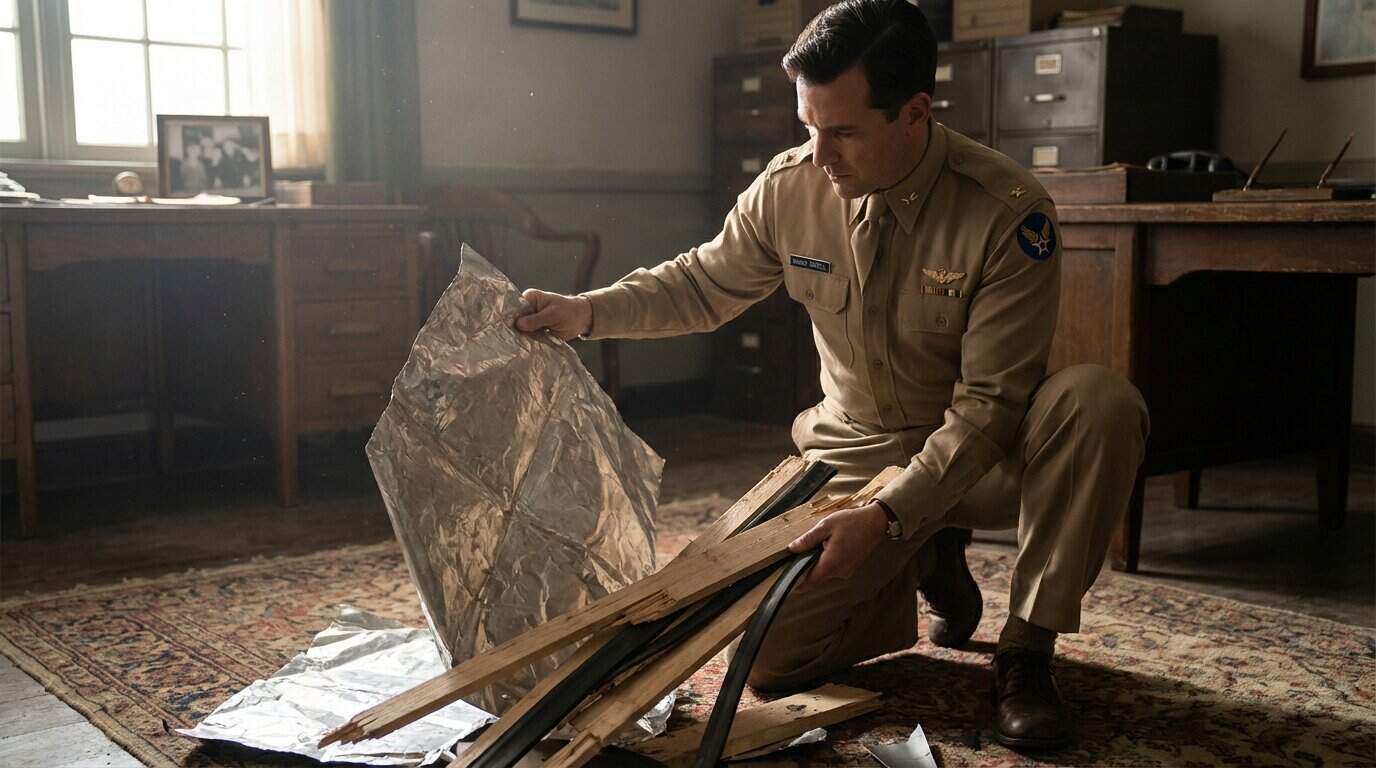
The excitement over the captured saucer ended just twenty-four hours later. General Roger Ramey, stationed at the Eighth Air Force headquarters in Fort Worth, quickly took control of the situation to silence the growing rumors. He invited the press into his office and displayed flimsy pieces of foil and rubber for the cameras. Ramey confidently told reporters that the officers in Roswell had made a mistake and simply found a standard weather balloon. This sudden change in the narrative left the public confused and suspicious about what had actually happened in the desert.
Many researchers find it difficult to believe that highly trained officers from an elite nuclear unit could not identify common weather equipment. Major Jesse Marcel, the intelligence officer who first handled the wreckage, was familiar with military technology and unlikely to confuse rubber strips for an alien craft. The swift correction by General Ramey looked less like a clarification and more like a hurried cover-up to hide something extraordinary. Even decades later, this specific reversal remains key evidence for those who believe the government is hiding the truth. It turned a simple recovery mission into the biggest UFO mystery in history.
Project Mogul and Cold War Secrets
Decades after the initial event, the U.S. Air Force finally released a massive report in the mid-1990s to address the rumors. They admitted that the original weather balloon explanation was actually a cover story designed to hide a classified Cold War operation called Project Mogul. This secret project used high-altitude balloon trains equipped with sensitive acoustic microphones to detect sound waves from Soviet nuclear bomb tests. The debris found on the ranch, including the strange foil and rubber, matched the materials used in these massive balloon arrays perfectly. It turns out the military was indeed hiding something huge, just not necessarily visitors from another planet.
Because of the intense paranoia during the Cold War, admitting to a secret spy program was impossible for officials at the time. This desperate need for secrecy inadvertently planted the seeds for one of the greatest conspiracy theories in American history. By quickly changing their story from a flying disc to a weather balloon, the government created a gap where imagination and suspicion could take root. What started as a rancher’s confusing discovery in the desert morphed into a legend because the truth was locked away in classified files for fifty years. Even with the facts laid out, the clumsy handling of the situation left many wondering if there is still more to the story.
The journey from Mac Brazel’s dusty field to the revelation of high-tech espionage shows how easily facts can become obscured by silence. Whether one believes the Project Mogul explanation closes the book or simply adds another layer to the cover-up is a matter of personal perspective. This incident remains a fascinating piece of history because it sits right at the intersection of government secrets and our hope that we are not alone in the universe. We would love to hear your thoughts on whether the spy balloon theory satisfies your curiosity or if you think something else landed in New Mexico. Join the conversation below and let us know what you believe really happened that summer in 1947.
The Debris That Sparked a Global Mystery
The Roswell incident remains one of the most captivating puzzles in modern history. What started as a rancher finding strange debris in 1947 quickly spiraled into a global phenomenon after the military announced they had captured a flying disc. Although officials rapidly changed their story to claim it was just a weather balloon, the sudden shift only fueled suspicions of a government cover-up. For decades, researchers have analyzed the timeline to understand how a simple mistake could cause such a frenzy. This event sparked a cultural obsession with UFOs that continues to challenge our understanding of what might be out there.
While documents from the 1990s suggest the debris actually came from a top-secret monitoring program called Project Mogul, many questions remain unanswered. Witness accounts describing memory metal and strange hieroglyphics do not always align with the official explanation of balsa wood and foil. These inconsistencies keep the door open for those who believe something truly otherworldly crashed in the New Mexico desert. The story of Roswell serves as a reminder that the line between classified military operations and extraterrestrial contact is often blurry. It encourages us to look closer at official narratives rather than accepting them at face value.
The truth about what happened that summer day might never be fully revealed to the public. Whether it was a secret balloon project or a visitor from another world, the incident changed how humanity looks at the stars. The enduring legacy of Roswell proves that people are hungry for answers about our place in the universe. We want to hear your thoughts on this legendary case. Do you think the government is still hiding the real wreckage, or was it really just a misunderstood experiment?
Frequently Asked Questions
1. Who originally discovered the strange wreckage in Roswell?
A ranch foreman named W.W. “Mac” Brazel found the debris while checking on his sheep near Corona, New Mexico. He found the ground littered with odd materials like tinfoil, rubber strips, and wooden beams after a fierce thunderstorm. This accidental discovery on a hot summer day sparked the biggest mystery of the modern era.
2. What did the military first say about the crash?
On July 8, 1947, the Roswell Army Air Field released a shocking public statement claiming they had recovered a flying disc. This bold announcement from public information officer Walter Haut immediately grabbed the attention of newspapers and radio stations worldwide. For a brief moment, the government confirmed that visitors from other planets might have landed in America.
3. Why did the official explanation change to a weather balloon?
Very shortly after the flying disc announcement, the military retracted their claim and stated the debris was merely a weather balloon. However, this sudden change in the story planted a deep seed of doubt that has grown for decades. Many people still suspect the weather balloon explanation was a cover-up to hide the truth about extraterrestrial contact.
4. What did the debris look like to the witnesses?
The wreckage scattered across the desert sand was described as a messy collection of metallic foil, rubber strips, and curious wooden beams. It looked strange enough that it felt like a science fiction movie coming to life right there in the pasture. These odd materials did not resemble the typical trash or weather equipment one might expect to find.
5. When did the Roswell incident take place?
This historic event unfolded during the incredibly hot and dusty summer of 1947. The debris was discovered in early July following a severe storm, and the famous press release was issued on July 8. It was a time when the world was just beginning to look to the stars with wonder and suspicion.
6. Why is the Roswell incident still important today?
Roswell remains a global sensation because it started a long history of searching for answers about alien life. The initial confirmation of a captured disc followed by a quick denial created an enduring mystery that continues to fascinate researchers. It represents the moment when the idea of extraterrestrial visitors moved from fiction to a very real possibility.
{
“@context”: “https://schema.org”,
“@type”: “Article”,
“headline”: “The Roswell Incident Explained: From Flying Discs to Project Mogul”,
“description”: “Uncover the true story of the 1947 Roswell Incident. From Mac Brazel’s debris discovery to Project Mogul, we explain the modern age’s biggest mystery.”,
“url”: “https://mysteriousrealms.com/the-roswell-incident-explained-from-flying-discs-to-project-mogul/”,
“mainEntityOfPage”: {
“@type”: “WebPage”,
“@id”: “https://mysteriousrealms.com/the-roswell-incident-explained-from-flying-discs-to-project-mogul/”
},
“image”: [
“https://mysteriousrealms.com/wp-content/uploads/2025/12/featured-1764695842647.jpg”
],
“datePublished”: “2025-12-02T17:17:36.254938+00:00”,
“dateModified”: “2025-12-02T17:17:36.989311+00:00”
}