Unlocking the Vault: The True Secrets of the Knights Templar
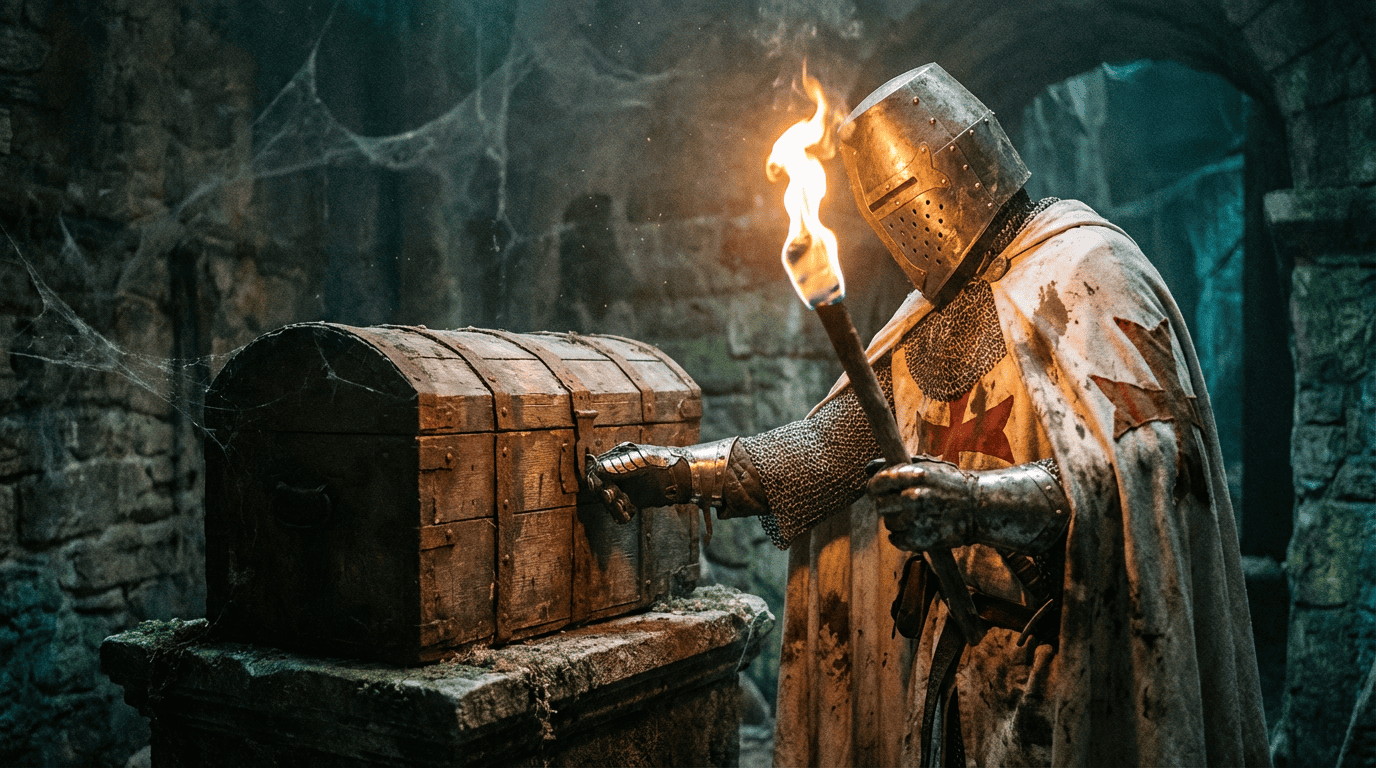
The year was 1119. Nine French knights arrived in Jerusalem with a humble mission to protect Christian pilgrims on the treacherous roads of the Holy Land. They called themselves the Poor Fellow-Soldiers of Christ, but history would soon know them simply as the Knights Templar. King Baldwin II granted them headquarters on the Temple Mount, a location built directly above the ruins of King Solomon’s Temple. While they started with almost nothing, whispers suggest they found something incredibly valuable beneath those ancient ruins that changed their destiny forever.
These men were a fascinating contradiction because they were fierce warriors who took strict vows of poverty and chastity. Despite their humble beginnings, the order quickly transformed into the most organized and disciplined fighting force of the Middle Ages. Donations of land and money poured in from nobles across Europe who wanted to support the Crusades. They even created an early banking system that allowed travelers to deposit gold in one city and withdraw it in another safely. Their immense wealth eventually rivaled that of kings and popes, making them a target for jealousy and suspicion.
The sudden destruction of the order has left historians asking questions for hundreds of years. On a fateful Friday the 13th in 1307, King Philip IV of France ordered the arrest of Templars on charges of heresy and devil worship. Recent findings in the Vatican Secret Archives suggest the church may have actually absolved them of these crimes initially. However, many believe the surviving knights went underground and took their legendary treasures with them into the shadows. We must now look closer at the clues they left behind to separate the myths from the reality of their secrets.
Key Takeaways
- The Knights Templar rose from humble origins to immense power, potentially fueled by mysterious discoveries made during excavations beneath Solomon’s Temple.
- The Order revolutionized the medieval world by establishing an early banking system that allowed them to amass wealth rivaling that of kings and popes.
- King Philip IV of France orchestrated the Order’s destruction on Friday the 13th, 1307, using fabricated heresy charges to erase his massive financial debts to the knights.
- Recent evidence from the Vatican’s Chinon Parchment reveals that Pope Clement V secretly absolved the Templars, confirming their persecution was motivated by political greed rather than religious guilt.
Excavations Beneath the Temple of Solomon
When the Order of the Temple was first founded in 1119, it consisted of only nine knights who were given quarters on the Temple Mount by King Baldwin II of Jerusalem. Historical records indicate that for their first nine years, these warrior-monks did not patrol the roads to protect pilgrims as originally promised. Instead, many historians believe they spent this time conducting extensive excavations beneath the ruins of King Solomon’s Temple. Evidence found during British explorations in the 19th century, led by Charles Warren, uncovered tunnels and artifacts that suggest a medieval military presence deep underground. It seems strange that a military unit would spend nearly a decade underground unless they were searching for something specific and incredibly valuable.
Legends suggest that the knights were looking for sacred relics lost since the destruction of the First Temple, such as the Ark of the Covenant. Some theorists propose they discovered the Holy Grail or ancient scrolls containing secret knowledge that challenged the church’s teachings. Whatever they found in those dark tunnels reportedly transformed the order from poor soldiers into the wealthiest organization in Europe almost overnight. Bernard of Clairvaux, a powerful abbot who supported the Templars, helped grant them official papal recognition shortly after their excavations concluded. This sudden shift in status fuels the idea that they possessed leverage or wealth far beyond simple donations.
The Secret Financial Empire of the Templars
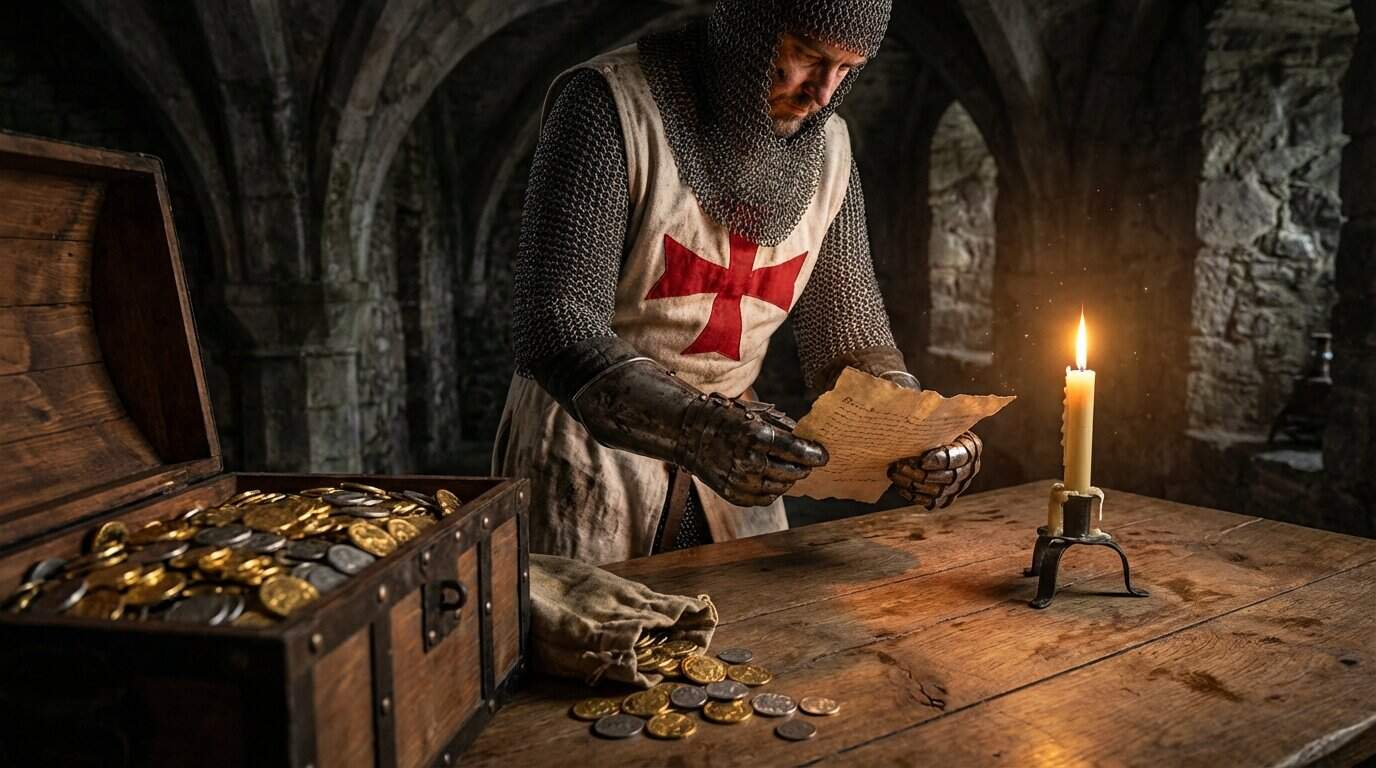
While they were famous for their swords, the Knights Templar actually fought their most effective battles with financial innovation. Pilgrims traveling to the Holy Land faced dangerous roads filled with robbers who wanted their gold. To solve this problem, the Order created an early version of the modern banking system that changed history. A traveler could deposit valuables at a Templar preceptory in Europe and receive a coded letter of credit in return. Upon arriving in Jerusalem, the pilgrim would hand over this document to get their money back without risking theft on the journey.
This clever system turned the Knights Templar into the most trusted bankers of the medieval world. They managed funds for popes and lent vast sums of money to European monarchs who needed to finance their wars. According to historical records, they owned thousands of estates, ships, and fortifications across Europe and the Middle East. Their financial network was so efficient that it operated like a massive multinational corporation long before such things existed. However, holding the purse strings of powerful kings eventually created dangerous enemies who were jealous of their success.
King Philip IV of France found himself deeply in debt to the Order and could not pay them back. Instead of settling his tab, he decided to eliminate his creditors by accusing them of heresy and strange secret rituals. On Friday the 13th in 1307, the King ordered raids that arrested hundreds of Templars in a coordinated dawn attack. Historians believe this raid was motivated almost entirely by greed rather than religious concern. The immense treasure seized by the crown vanished into history, leaving researchers wondering where the secret financial empire truly ended.
Accusations of Baphomet and Forbidden Rituals
On the misty morning of Friday the 13th in 1307, the history of the Knights Templar took a dark and sudden turn. King Philip IV of France, who was heavily in debt to the wealthy order, orchestrated a massive dawn raid to capture every Templar in his kingdom. Authorities dragged knights from their beds and threw them into dungeons, marking the beginning of the end for the legendary warrior monks. To justify these shocking arrests, the King and his advisors fabricated a list of horrifying charges that painted the devout Christians as heretics. These accusations were designed to destroy their reputation instantly, ensuring the public would turn against the once-revered protectors of the Holy Land.
Among the most scandalous claims was the assertion that initiates were forced to spit on the cross and deny Jesus during secret induction ceremonies. Inquisitors also alleged that the knights worshipped a mysterious bearded head or idol known as Baphomet. Descriptions of this figure varied wildly during forced confessions, with some describing a black cat and others a terrifying three-faced head. Historians have long debated whether Baphomet was simply a corruption of the name Mahomet or perhaps a misunderstood Gnostic symbol of wisdom. Regardless of the truth, the mere suggestion of idol worship was enough to seal their fate in the eyes of the medieval church.
Under the brutal agony of medieval torture, many knights confessed to these forbidden rituals just to stop the pain. However, the recent discovery of the Chinon Parchment in the Vatican Secret Archives suggests that Pope Clement V actually absolved the order of heresy. This document reveals the Pope believed the knights were guilty of bad behavior but not of worshipping demons. Despite this evidence, the sensational stories of Baphomet stuck, fueling centuries of speculation about what really happened behind closed doors. The blend of proven history and unverified myth continues to make the downfall of the Templars a compelling subject for modern seekers.
The Vatican’s Secret Chinon Parchment
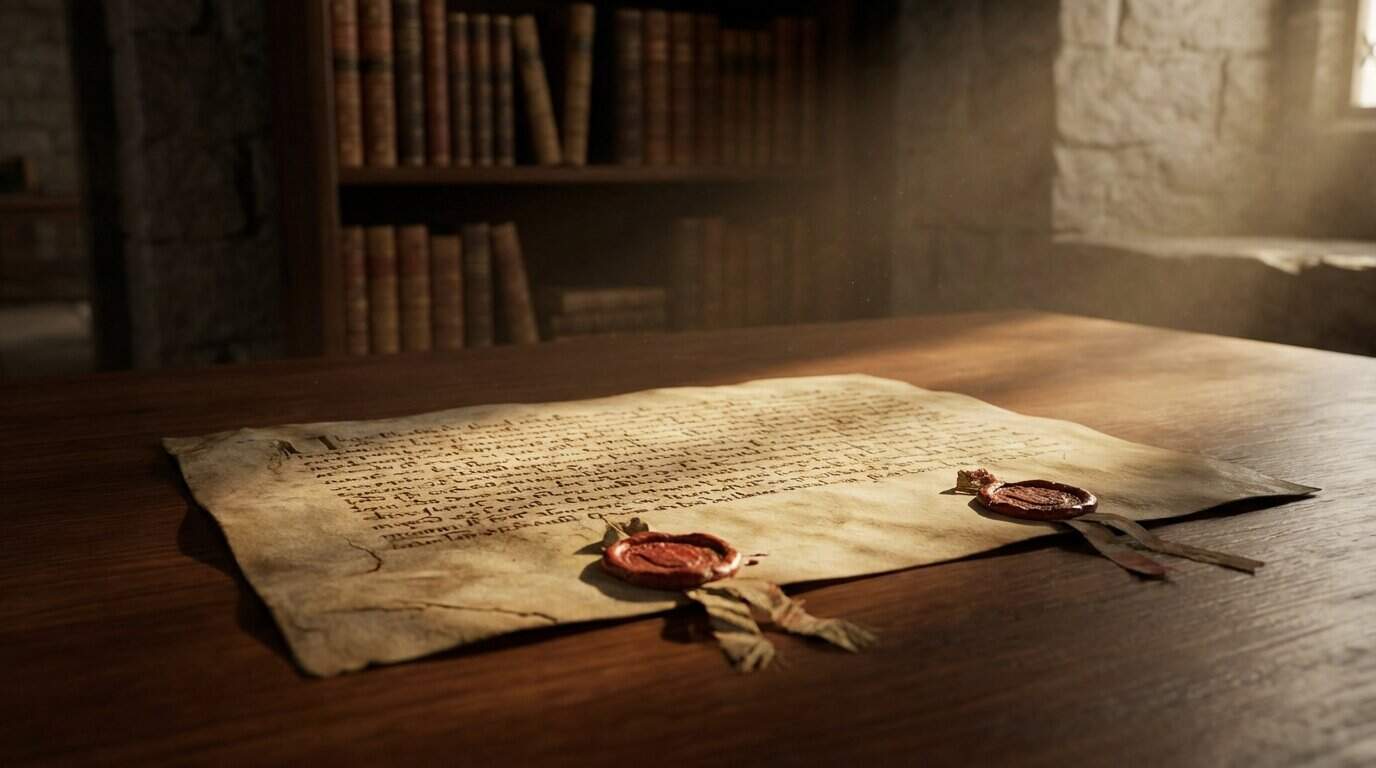
For centuries, history books taught that the Catholic Church condemned the Order as heretics, but a discovery in 2001 shattered this long-held belief. Researcher Barbara Frale stumbled upon a misfiled document deep within the Vatican Secret Archives that had been lost to history for hundreds of years. Known as the Chinon Parchment, this ancient record revealed that Pope Clement V actually privately absolved the Templar leadership of all heresy charges before their destruction. The text shows that the Pope intended to reform the Order rather than destroy it, but he was backed into a corner by political forces. It suggests that the public condemnation was merely a show to satisfy King Philip IV of France, who desperately wanted the Templars’ wealth for himself.
The legacy of the Knights Templar remains a captivating mix of proven fact and wild speculation. While hard evidence like the Chinon Parchment clarifies their relationship with the Church, it does not explain where their vast fleet and treasury vanished during their downfall. This gap in history allows theories about the Holy Grail and secret bloodlines to flourish alongside standard academic research. Ultimately, the enduring mystery forces us to reconsider what was truly valuable to this powerful organization. Do you believe the Templars’ greatest treasure was physical gold, or was it dangerous knowledge that threatened the powers of their time?
The Enduring Mystery of the Knights Templar
The story of the Knights Templar is more than just a history lesson about medieval soldiers. It is a tale of how a small group of poor monks became one of the most powerful organizations in the world. Their sudden rise to power and tragic fall continues to spark imagination centuries later. While historical records show they were fierce warriors and smart bankers, the gaps in their history leave plenty of room for wonder. Many believe that their true secrets were never fully revealed before the order was dissolved.
Recent discoveries in the Vatican Secret Archives have helped clear the names of these ancient knights. These documents suggest they were victims of political greed rather than actual heretics. However, this new evidence does not explain everything about their time in Jerusalem. Whispers about the Holy Grail or the Ark of the Covenant still surround their legacy. It is quite possible that they found something profound beneath the Temple Mount that history has yet to uncover.
The line between fact and fiction will likely remain blurred for a long time. Whether they were guardians of a great secret or simply victims of a jealous king is up for debate. Their influence can still be felt in popular culture and modern conspiracy theories today. Perhaps the greatest secret of the Knights Templar is simply their ability to keep the world guessing. Do you believe the order hid a treasure that is still waiting to be found?
Frequently Asked Questions
1. What did the Knights Templar find beneath Solomon’s Temple?
While the knights arrived with very little, whispers suggest they discovered something profound beneath the ruins of King Solomon’s Temple that altered their destiny. This discovery might explain their sudden rise to immense power and wealth shortly after their excavations began. History keeps the exact nature of this find a mystery, ranging from religious relics to ancient knowledge.
2. How did the Knights Templar become so wealthy?
These warrior monks developed an early banking system that allowed travelers to deposit gold in one city and safely withdraw it in another. Alongside this financial innovation, they received massive donations of land and money from European nobles supporting the Crusades. Their accumulated wealth eventually grew large enough to rival kings and popes.
3. Why were the Knights Templar arrested on Friday the 13th?
King Philip IV of France, likely driven by debt and jealousy of the Order’s wealth, ordered a surprise dawn raid on Friday the 13th in 1307. He accused the knights of heresy and devil worship to justify seizing their assets and dismantling their organization. This specific date has since become legendary for bad luck.
4. Did any Knights Templar survive after 1307?
Many historians and treasure hunters believe that surviving knights escaped arrest and went underground to protect their order. Legends suggest they fled with their fleet and legendary treasures, potentially merging into other secret societies or hiding in remote locations. The sudden disappearance of their fleet remains one of history’s great unsolved puzzles.
5. What do the Vatican Secret Archives reveal about the Templars?
Recent discoveries within the Vatican Secret Archives indicate that the church may have privately absolved the Templars of heresy charges. This evidence suggests the public persecution was political rather than religious, orchestrated primarily by the French King. It adds a layer of tragedy to the destruction of an order that was technically innocent in the eyes of the Pope.
6. What was the original mission of the Knights Templar?
The order began as a humble group of nine French knights dedicated to protecting Christian pilgrims traveling the dangerous roads to Jerusalem. They took strict vows of poverty and chastity, calling themselves the Poor Fellow-Soldiers of Christ. Despite these modest beginnings, their role quickly expanded from bodyguards to a powerful military and financial force.
7. Did the Knights Templar possess the Holy Grail?
Persistent myths link the Templars to the Holy Grail, suggesting they found this holy relic during their excavations under the Temple Mount. While no physical proof exists, their rapid ascent to power fuels the theory that they possessed an object of immense spiritual significance. This connection remains a cornerstone of Templar lore and continues to captivate imagination.